
When Phyllis Webstad was six, her grandmother bought her a new shirt for school. It was orange and shiny, and she was excited to wear it.
When she arrived at St. Joseph Mission residential school in British Columbia in 1973, her clothes were taken away. She never got the shirt back.
In the account she shares through the Orange Shirt Society, Webstad describes how that experience left her feeling that her feelings did not matter. Her story became the foundation of Orange Shirt Day, first observed in 2013. On Wednesday, Sept. 30, that child’s experience will again be remembered across Canada alongside those of thousands of other children separated from their families through the residential school system.
The National Day for Truth and Reconciliation honours the children who never returned home, survivors, and their families and communities. Established as a federal statutory holiday in 2021, it shares its date with Orange Shirt Day.
For Chestermere residents, the day offers a chance to better understand a history that belongs to the country we share, and whose consequences remain part of life for many families.
At least 150,000 First Nations, Inuit and Métis children attended residential schools. The federal government funded and administered the system, with many schools operated by churches and religious organizations.
Its purpose included separating children from their families, languages and cultures to assimilate them into settler society. Children could be punished for speaking their own languages. Many experienced neglect, hunger and physical or sexual abuse. Thousands died.
The Truth and Reconciliation Commission described the system as cultural genocide.
The harm extended beyond the children attending school. Separation disrupted family relationships and the passing of language, knowledge and traditions between generations. The effects continued after schools closed, shaping the lives of survivors and their descendants.
Survivors also fought to have that history heard.
Parks Canada records how children, parents and Indigenous leaders resisted the schools from their earliest days.
Later, survivors pressed governments and churches for acknowledgement, accountability and compensation.
Their efforts helped bring about the Indian Residential Schools Settlement Agreement and the Truth and Reconciliation Commission.
That history matters to understanding September 30: the public recognition Canadians see today grew from years of work by people whose experiences had too often been dismissed.
The commission operated from 2008 to 2015. Its 94 calls to action address responsibilities across Canadian society, including child welfare, education, health, justice, language and culture.
Call to Action 80 sought a national day of commemoration. Others called for changes in services and institutions, including teaching students about residential schools, treaties and Indigenous peoples’ contributions to Canada.
Reading those calls makes the scope of reconciliation clearer. Remembrance is one part of work that also concerns how children are educated, how families receive services and how governments meet their responsibilities.
Here in Chestermere, the City’s social needs assessment acknowledges the community’s place in Treaty 7 territory. Learning about the peoples and treaty relationships of southern Alberta offers a local starting point for residents interested in understanding that connection.
There are also ways to listen from home.
On September 30, APTN, CBC/Radio-Canada and the National Centre for Truth and Reconciliation are presenting Remembering the Children, a live national gathering from Parliament Hill.
The 90-minute program begins at 10 a.m. Mountain time. It will bring together residential school survivors, Elders, Indigenous leaders and First Nations, Inuit and Métis artists, with ceremonies and performances alongside remembrance.
For viewers in Chestermere, the broadcast offers access to people speaking about their own histories and communities. Its inclusion of Indigenous artists also makes room for the cultures and creative work that continue today.
The National Centre for Truth and Reconciliation provides educational resources throughout the year. It preserves the statements and records gathered by the commission, while its National Student Memorial Register remembers children who died while attending residential schools.
These resources give families somewhere reliable to turn when questions arise around the dinner table or after a child comes home from school. Adults learning this history for the first time can begin there, too.
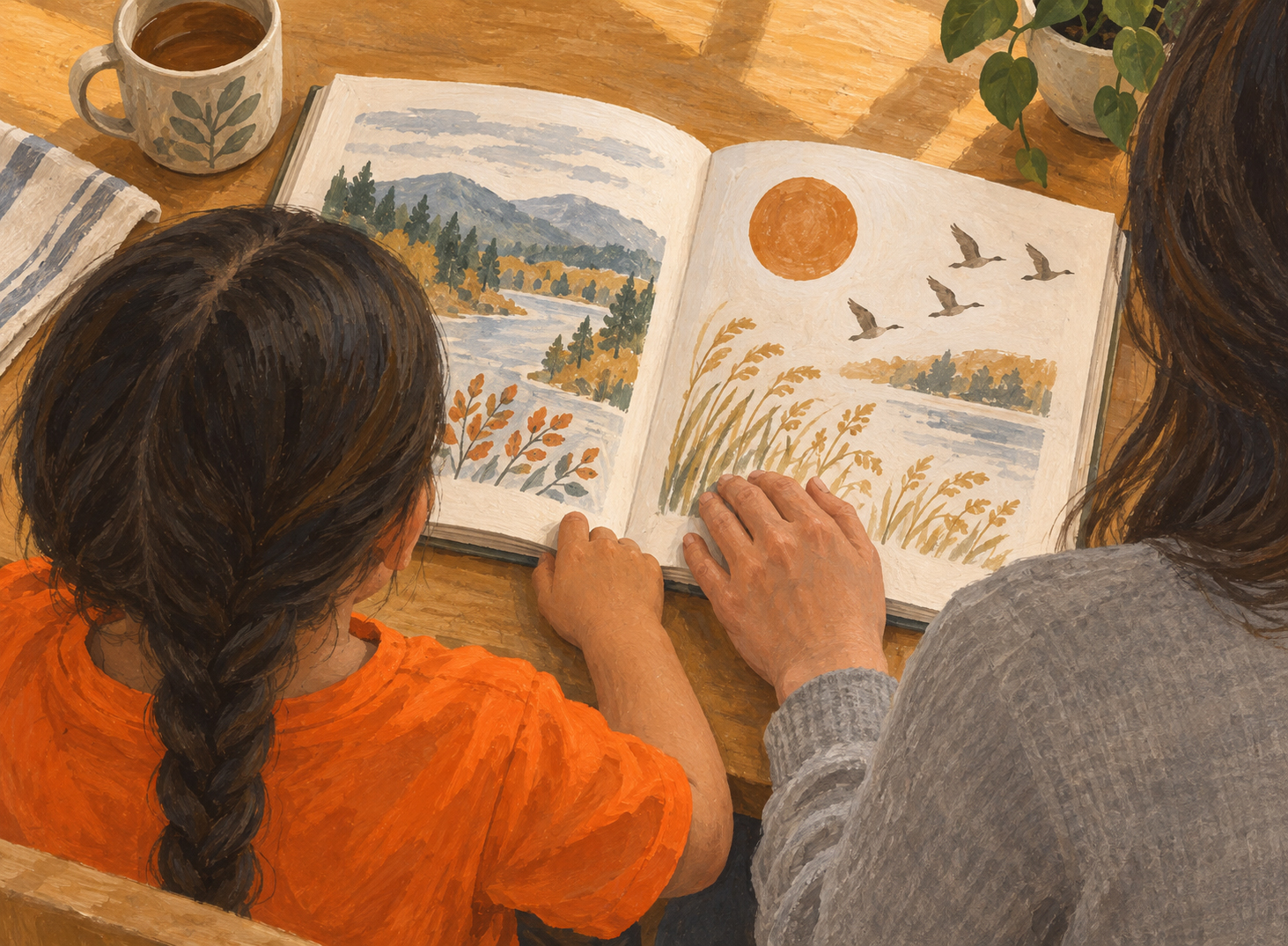
For parents, that can mean reading alongside their children, allowing questions and returning to a reliable source when an answer is unclear. There is no need to have every answer before beginning.
Webstad’s account remains an accessible place to start because its details are so personal: a grandmother, a new shirt and a child looking forward to school.
The Orange Shirt Society connects that experience to its message that every child matters. Wearing orange is one way people acknowledge the children and families affected; understanding the story gives the gesture its meaning.
September 30 sets aside time for that attention. The testimony, historical records and calls to action remain available when the day is over, for anyone ready to keep learning about their neighbours and their country.