

I was out for dinner at a Mexican restaurant with my regular band of tippling reprobates recently, when one of the more irresponsible rascals spontaneously ordered a round of tequila shots for the entire table.
Within moments, the little glasses arrived with the traditional accompaniments of salt and lime, instantly transporting me back to the regrettable imbibing habits of my misspent youth.
While tequila has long been associated with rowdy nights, questionable decisions and painful mornings, the better examples deserve considerably more respect than they usually receive. With National Tequila Day celebrated every year on July 24, this seems like an appropriate time to consider Mexico’s most famous spirit from the more dignified and refined tastes of a veteran tippler like myself.
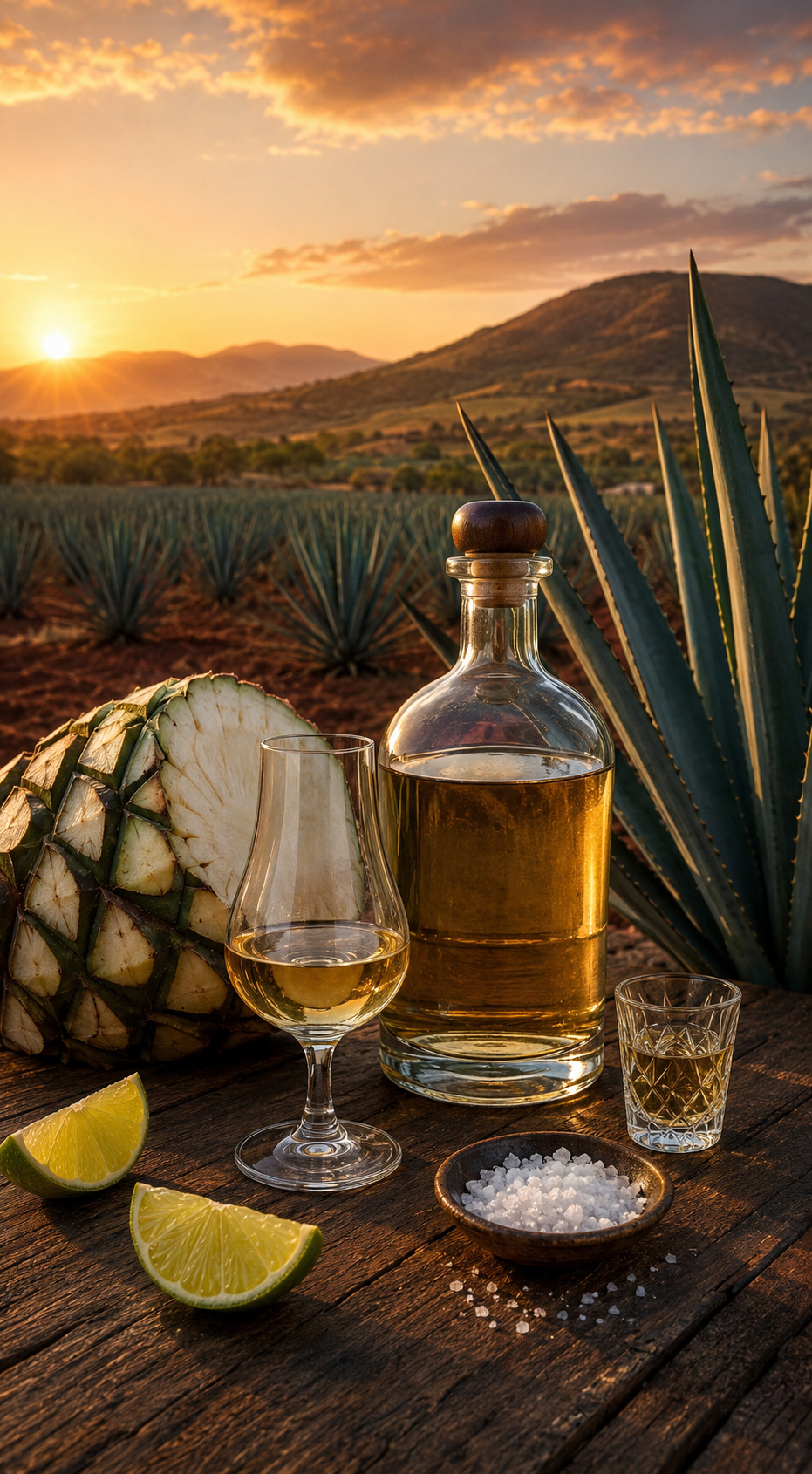
For those not familiar with the finer details, tequila is distilled from the blue agave, a large spiky plant that resembles a formidable desert cactus, although it is actually more closely related to asparagus.
The heart of the mature agave plant is called the piña because it resembles an enormous pineapple. After growing for several years, the leaves are chopped away by skilled harvesters known as jimadores, leaving behind a piña that can weigh well over a hundred pounds.
These hefty hearts are slowly cooked to convert their natural starches into fermentable sugars, then crushed to extract the sweet agave juice. The juice is fermented and distilled, producing the clear spirit that eventually finds its way into margaritas and shot glasses around the world.
Tequila is not simply a generic name for any alcohol made from agave. Much like Champagne must come from a particular region of France, genuine tequila must be produced in designated parts of Mexico, principally in the western state of Jalisco. Here in Canada, a spirit may only be sold as tequila if it was produced in Mexico according to the established standards.
The town of Tequila lies northwest of Guadalajara, surrounded by rolling fields of blue-green agave stretching across the red volcanic soil. The surrounding agave landscape and historic distilleries were designated a UNESCO World Heritage Site on July 24, 2006, which gives National Tequila Day a particularly appropriate date, although the holiday’s original inventor appears to have disappeared into the same boozy mists of history as so many drinking traditions.
As of 2026, Mexico has officially recognized July 24 as its National Tequila Day, perhaps proving that even governments occasionally make sensible decisions that the people can get behind.
When shopping for tequila, the most important words on the bottle are “100% agave.” Tequila carrying this designation is made entirely from the sugars of the blue agave plant. Ordinary tequila, often referred to informally as mixto, is only required to derive 51% of its fermentable sugars from blue agave, with the remainder coming from less expensive sources.
The cheaper stuff is perfectly adequate for burying beneath lime juice, orange liqueur and crushed ice in a frozen margarita. However, a good 100% agave tequila is better enjoyed slowly, much like a fine whisky or brandy.
Tequila is divided into several classes based largely on how long it has spent resting in wooden barrels. Blanco, or silver tequila, comes essentially straight from the still and delivers the freshest peppery, herbal and citrus flavours of the agave.
Reposado, meaning rested, spends at least two months in oak, softening the rough edges and adding gentle vanilla and caramel notes. Añejo tequila must mature for at least one year, while extra añejo rests for at least three years, developing richer flavours of cooked fruit, spice, tobacco and toasted wood.
The longer-aged varieties can become surprisingly similar to whisky, particularly when matured in barrels that previously held bourbon. Unfortunately, they can also approach whisky prices, with premium bottles easily wandering north of the $75 mark at your friendly neighbourhood booze merchant.
For cocktail enthusiasts, tequila is best known as the foundation of the margarita. Combine two parts tequila with one part orange liqueur and one part freshly squeezed lime juice, shake vigorously over ice, and strain into a salt-rimmed glass.
My other summer favourite is the Paloma, made with tequila, lime and grapefruit soda. It is lighter, fizzier and particularly refreshing on a hot Alberta patio, during these precious few months when winter loosens its icy grip on our fair province.
So, this July 24, resist the urge to slam back a shot of the cheapest tequila in the building. Pick up a bottle marked 100% agave, pour a small measure into a proper glass and give it the same attention you might offer a fine whisky.
The salt and lime are optional. The questionable decisions remain entirely at your discretion.