

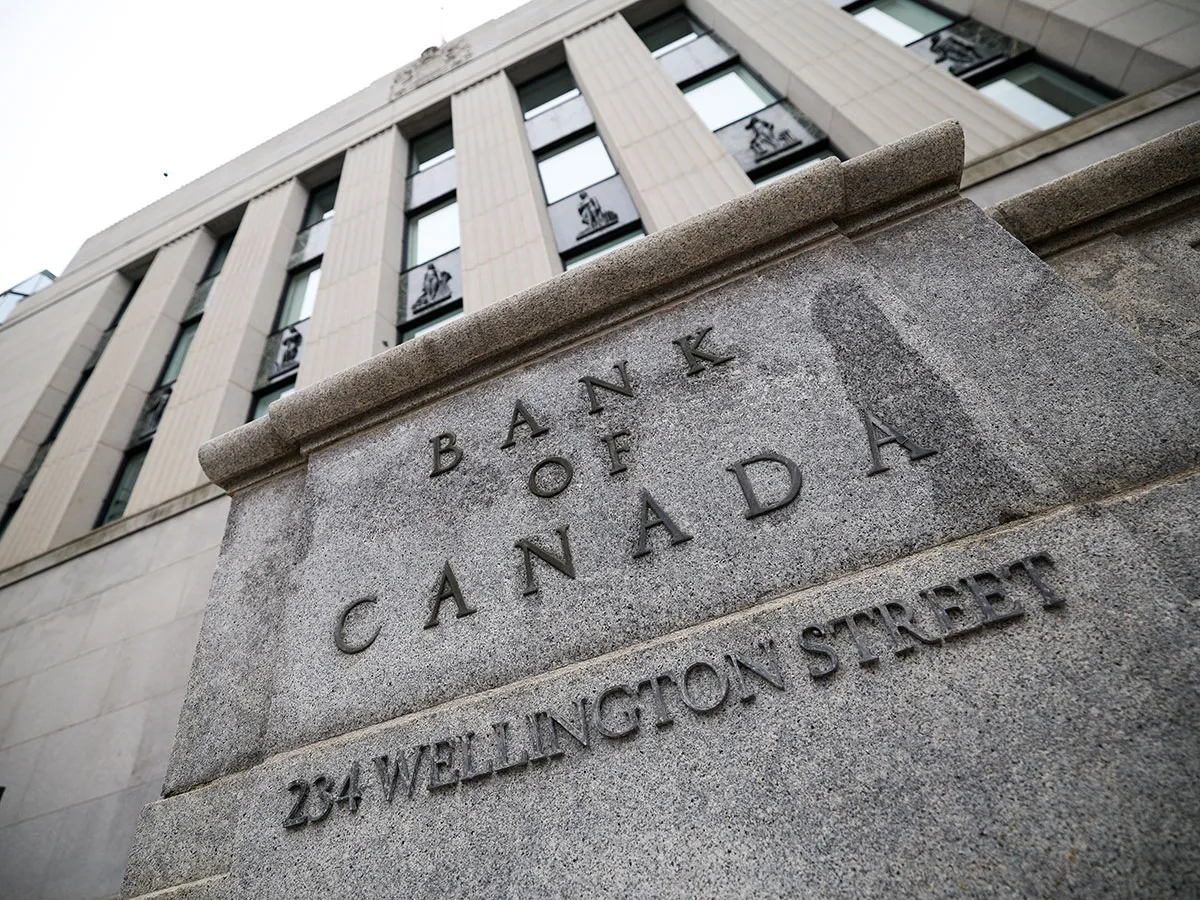
The Bank of Canada raised its benchmark interest rate to 2.5 per cent Oct. 28, increasing borrowing pressure on households and businesses as it tries to contain inflation linked to higher energy costs.
The quarter-percentage-point increase lifts the policy rate from 2.25 per cent, where it had stood since October 2025. It is the bank's first rate increase since July 2023.
For Chestermere residents, the effect will depend on their borrowing arrangements. Variable-rate mortgages and lines of credit can become more expensive when lenders adjust their rates, while fixed-rate mortgages retain their contracted interest rate until the term ends.
Mortgage payments do not all respond the same way. With some variable-rate mortgages, payments rise when the interest rate increases. With others, payments remain fixed and a larger portion goes toward interest, reducing the amount applied to the loan.
The bank's concern extends beyond what motorists pay at the pump.
It says sustained fuel costs are making production and transportation more expensive, while prices for imported industrial and electronic inputs have also risen. Businesses have largely absorbed those increases, but the bank's surveys indicate more costs could reach customers over the coming year.
Governor Tiff Macklem acknowledged that higher rates would be difficult for Canadians and businesses. He said the decision was intended to limit the spread of energy-related price increases and bring inflation back under control.
The bank expects inflation to reach about 3.5 per cent by the end of 2026. Its outlook projects inflation remaining above three per cent through much of 2027, before easing toward the two per cent target by mid-2028.
Those projections carry uncertainty, including the course of the Middle East conflict, energy prices and trade relations between Canada and the United States.
The economic outlook has improved. The bank forecasts Canadian growth of one per cent this year and two per cent in both 2027 and 2028, supported by investment and spending.
However, it expects new U.S. tariffs to slow growth in the final quarter of this year, and housing activity to remain weak.
Further interest rate increases remain possible. The bank says it will proceed cautiously and assess conditions at each meeting.
For borrowers, the practical distinction is between the central bank's policy rate and the rate written into their own loan agreement. Lenders set those borrowing rates, and individual contracts determine how changes affect payments.
The next scheduled rate announcement is Dec. 9.